
Washington DC Roof Damage
Get the Insurance Settlement You Deserve
Dealing with Washington DC roof damage can be a homeowner's worst fear—repairs or replacement are often expensive and stressful. Thankfully, a skilled Public Adjuster can help secure a fair settlement from your insurer, minimizing out-of-pocket expenses and making the claims process far less daunting.
Washington DC Roof Damage Claims
Washington DC roof damage varies, from a few damaged shingles to serious structural issues that demand a complete roof replacement. Whether it's hail, a fallen tree branch, or wear and tear over time, the type and cause of the damage determines if your insurance provider will approve repairs or a complete replacement. Your policy outlines the types of damage it covers, so reviewing it carefully is essential.
Minor vs. Major Roof Repairs: What's the Difference?
Minor roof repairs are often manageable without filing an insurance claim. Homeowners frequently choose to handle these themselves, using basic tools and materials. Hiring professionals for minor fixes is usually a matter of convenience or safety.
Common Minor Repairs
- Gutter damage
- Replacing cracked or missing shingles
- Patching small leaks or punctures
- Cleaning pooled water
- Resealing flashing
Neglecting a minor issue can lead to significant damage, especially if repairs are done improperly or delayed.
Unless the cost to make minor repairs exceeds your policy deductible, it probably doesn't make sense to file an insurance claim for the damage.
Check Your Roof Flashing
Flashing is a thin layer of waterproof material, typically metal or vinyl, used to prevent moisture from entering the home's interior and causing damage. Flashing is located at exterior windows, doors, and any other projections from the roof such as a chimney or skylight. High winds can damage roof flashing, which can put your home at greater risk of water intrusion and subsequent mold growth due to wind-driven rain. This can lead to leaks, corrosion, and dry rot, reducing the building's integrity.
What Counts as a Major Roof Repair?
Major repairs aren't just expensive—they usually require professional expertise, specialized materials, and sometimes permits or inspections. Filing an insurance claim is common for major damage, especially when safety concerns are involved.
Examples of Major Repairs
- Extensive water intrusion or leaks
- Sagging or shrinkage of the roof
- Chimney or flashing replacement
- Fallen tree branches causing structural impact
- Renovations tied to roof or framing integrity
When it comes to Washington DC roof damage, documentation is key. A licensed Public Adjuster can help inspect, record, and submit thorough evidence to support your claim, significantly improving your odds of receiving a fair settlement. If you're unsure whether your damage qualifies for coverage, bringing in an expert early can make all the difference.
Tiger Adjusters®, the country's largest Public Adjusting franchise, helped one policyholder receive a 3200% claim settlement increase.
Row House Roofs and the District's Weather
Much of the District's housing stock is row houses and older attached homes with low-slope or flat roofs finished in modified bitumen, EPDM, or TPO membrane. These roofs fail differently than the pitched, shingled roofs pictured in most insurance policy examples. Wind uplift at the edges and parapet walls, ponding water after summer downpours, seam separation, cracked coping caps, and damaged roof drains are all common sources of Washington DC roof damage—and all of them are easy for a rushed field adjuster to underestimate.
Severe thunderstorms, hail, remnants of tropical systems moving up from the Chesapeake, and occasional derecho-strength straight-line winds account for most sudden storm losses in the District. Damage from a single storm event is typically covered; deterioration that built up over years usually is not. That distinction is exactly where claims get disputed, which is why dated photos, weather data, and a thorough inspection matter so much.
Keep in mind that if your property sits in one of the District's historic districts, exterior work visible from a public street may require Historic Preservation Review Board approval on top of a standard DOB permit. That can raise the cost and timeline of a compliant repair—and those costs belong in your claim.
What DC Law Requires of Your Insurance Company
The District's unfair claim settlement practices statute, D.C. Code § 31-2231.17, sets the standards insurers are expected to meet. Among them: acknowledging and acting reasonably promptly on claim communications, adopting reasonable standards for prompt investigation, not refusing to pay a claim without conducting a reasonable investigation, affirming or denying coverage within a reasonable time after a proof of loss is completed, and attempting in good faith to reach a prompt, fair settlement once liability is reasonably clear. Insurers are also barred from refusing to pay a claim for a reason that is arbitrary or capricious.
One important nuance: the statute is enforced by the Commissioner rather than through a private lawsuit, and District courts have declined to recognize a separate bad-faith tort for first-party claims. In practice, that means your leverage comes from the strength of your documentation and, if needed, a complaint to the Department of Insurance, Securities and Banking (DISB)—not from the threat of a bad-faith verdict. A well-supported claim file is your best tool.
Policies also carry their own deadlines for reporting a loss and for filing suit, and those deadlines are often shorter than you would expect. Read your policy early.
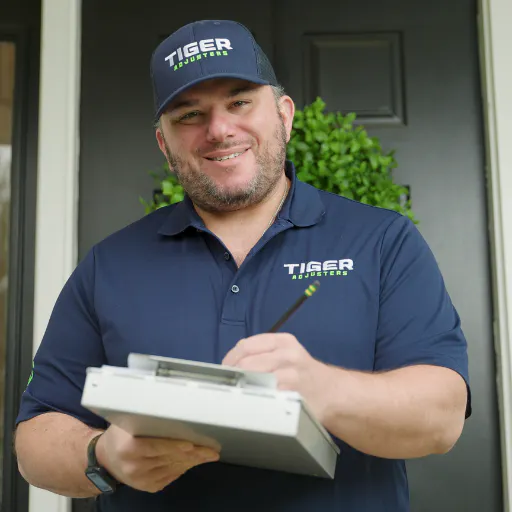
Mitch Malasky
Owner Operator & Public Adjuster
Washington, D.C.
DC #3004142110
(202) 988-3791
m_malasky@tigeradjusters.com
This page is general information about District of Columbia insurance rules and is not legal advice.